
How Your Daily Choices Shape the Quality of Your Rest
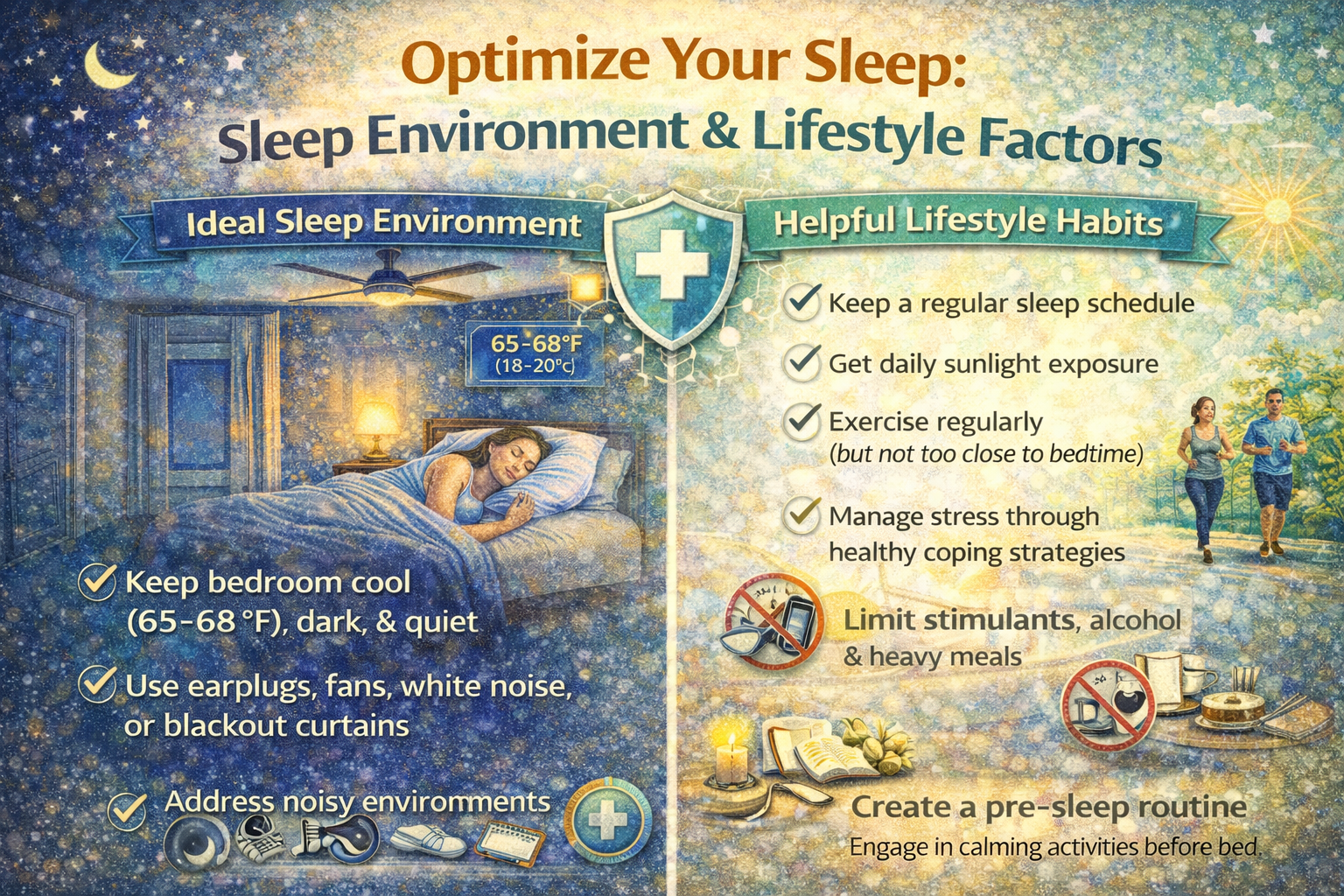
Sleep does not begin at bedtime. It is influenced by decisions made throughout the day. Physical activity, meal timing, light exposure, and even room layout can subtly shape nighttime comfort.
Regular physical movement is associated with improved sleep satisfaction in many people. Moderate exercise earlier in the day may help regulate energy levels and support the body’s natural sleep-wake rhythm. Timing matters; vigorous activity immediately before bed may feel stimulating for some individuals.
Nutrition patterns can also influence rest. Heavy meals close to bedtime may cause discomfort for certain people, while going to bed overly hungry can also be distracting. Finding a balanced evening eating schedule often supports comfort.
Light exposure deserves special attention. Natural daylight during the morning and afternoon helps anchor circadian rhythms. In contrast, bright artificial lighting late at night may delay feelings of sleepiness. Simple adjustments — such as using warmer lighting in the evening — can support a smoother transition to rest.
The bedroom environment itself can serve as a cue. A space primarily associated with sleep and relaxation helps reinforce psychological connections between the room and rest. Reducing clutter, minimizing noise, and limiting non-sleep activities in bed may help strengthen this association.
Air quality and ventilation can also contribute to comfort. Fresh air circulation and a comfortable mattress suited to personal preference can enhance the overall sleep setting.
Rather than searching for a single solution, it can be helpful to view sleep as the result of multiple small influences. When daily habits, environment, and natural rhythms align, restful nights often become more consistent.